
Maintenance-Free Chemical Earthing That Lasts for Years
Low, stable earth resistance in every season — protecting your electrical system, lightning protection and equipment from fault currents and surges, with no watering or salt top-ups.
 As per IS 3043 & IEEE 80
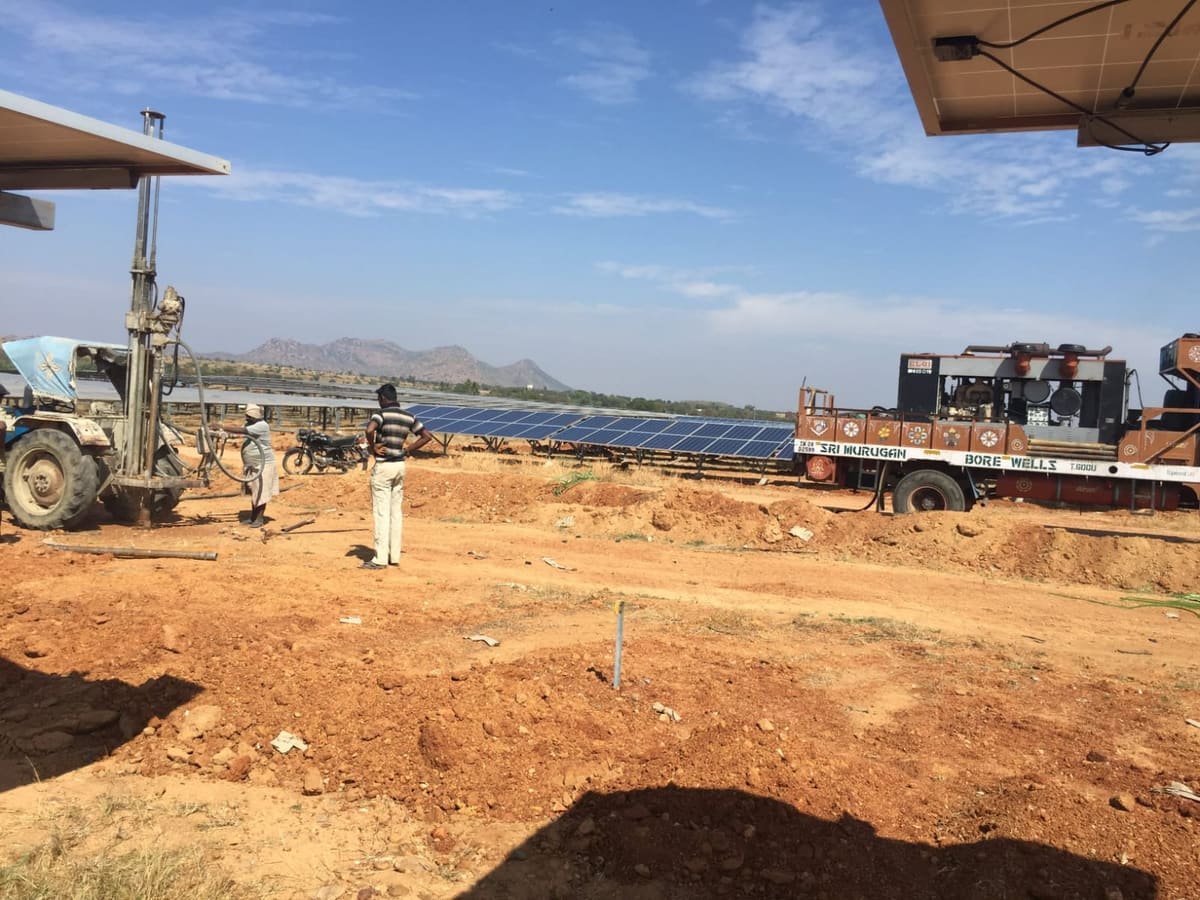
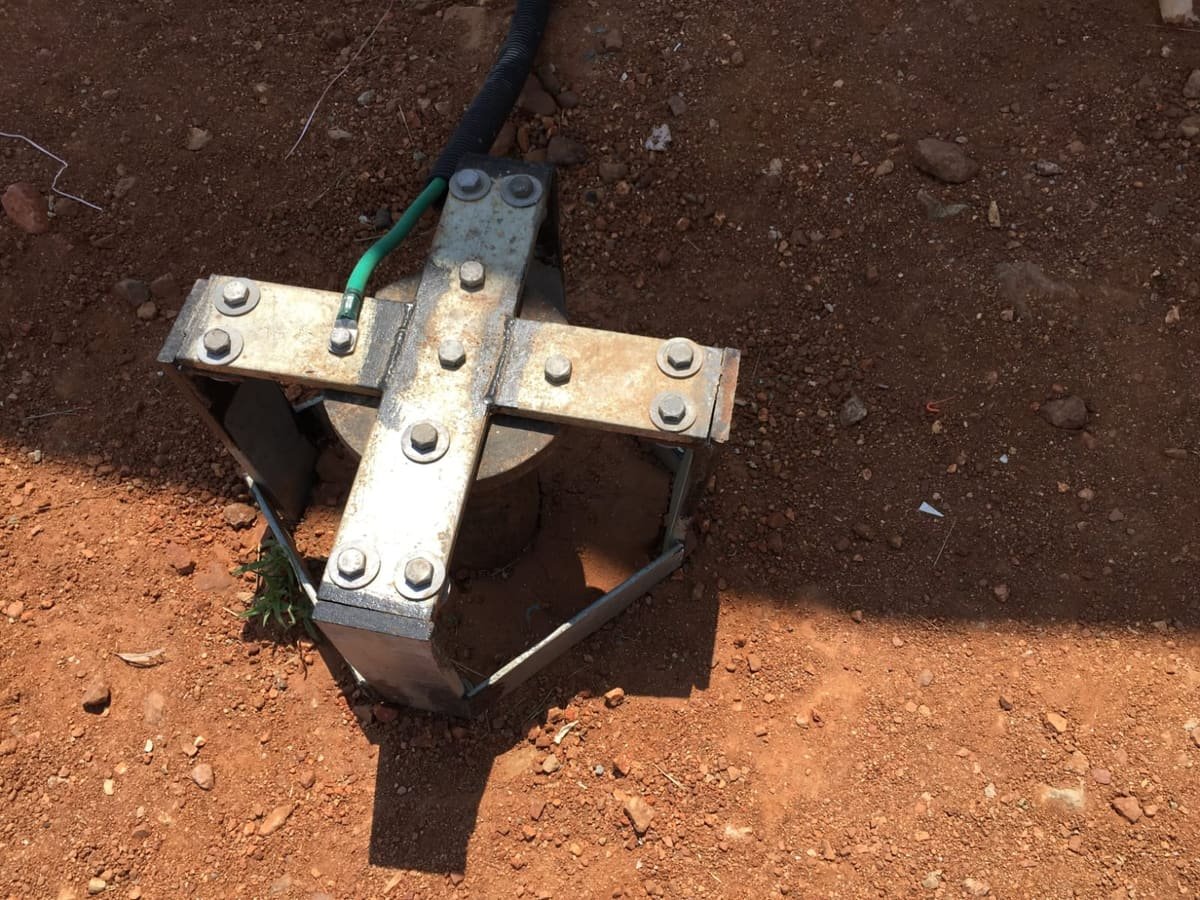
The Foundation of Electrical Safety
Earthing connects your electrical system and lightning protection to the ground. During a fault, surge or lightning strike, it gives the current a safe, low-resistance path — preventing electric shock, fire and equipment damage.
Poor or corroded earthing is one of the most common causes of equipment failure and electrical accidents. Our maintenance-free earthing keeps performance consistent through Bengaluru’s dry summers and heavy monsoons.
- Protects people from electric shock
- Safeguards sensitive equipment
- Essential for lightning protection
- Stabilises voltage & reduces noise
Earthing Solutions We Provide
We select the right earthing type for your soil, application and budget.
Chemical / Maintenance-Free Earthing
Copper-bonded or GI electrode with conductive backfill for long life and stable resistance.
Copper-Bonded Rod Earthing
High-strength steel core with molecularly bonded copper — excellent corrosion resistance.
Pipe & Plate Earthing
Conventional GI pipe and copper/GI plate earthing for specific project requirements.
Strip & Grid Earthing
GI/copper strip networks interconnecting earth pits for plants and substations.
Solar Plant Earthing
Module, structure and inverter earthing for rooftop and ground-mounted solar.
Electronic & Data Earthing
Clean earth for servers, telecom, UPS and instrumentation systems.
How We Install Maintenance-Free Earthing
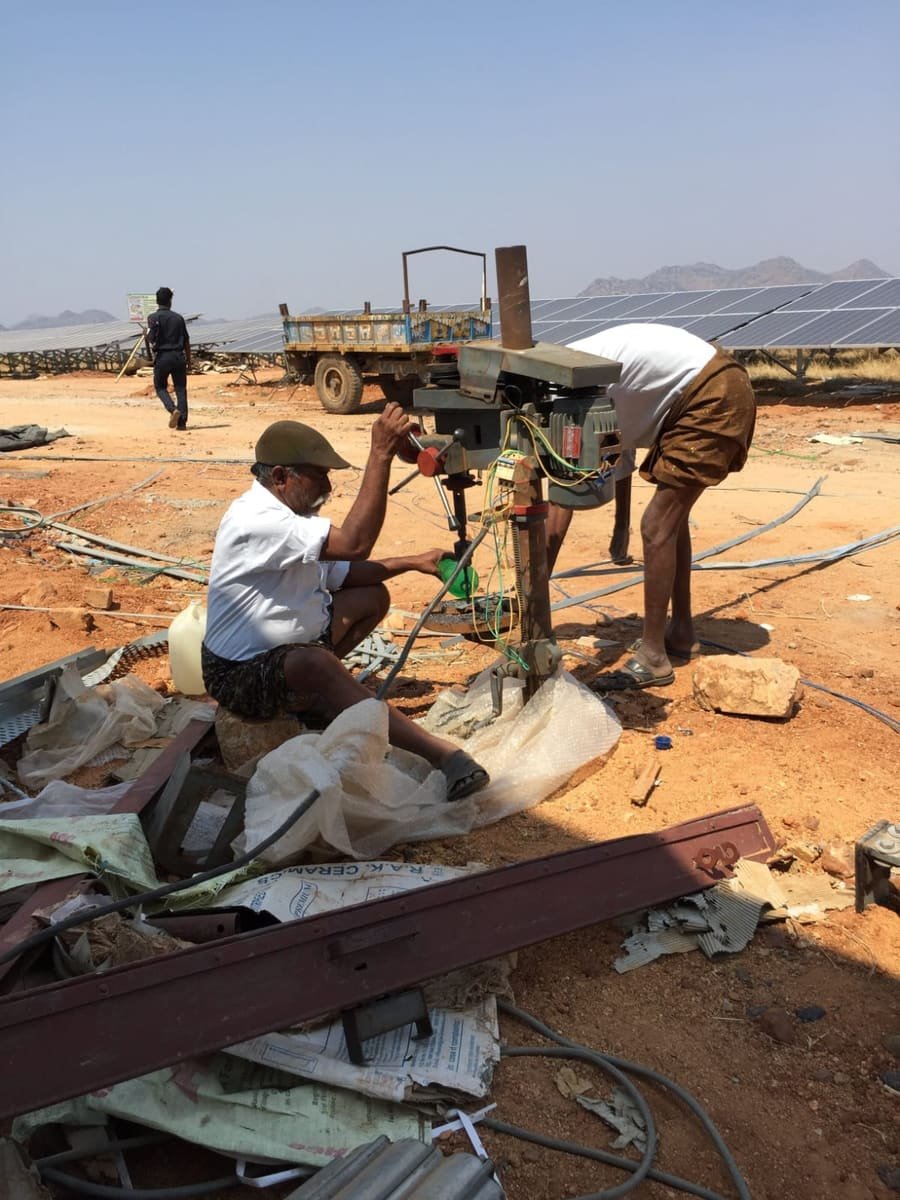
1. Pit boring
Mechanised drilling to the designed depth for each electrode.
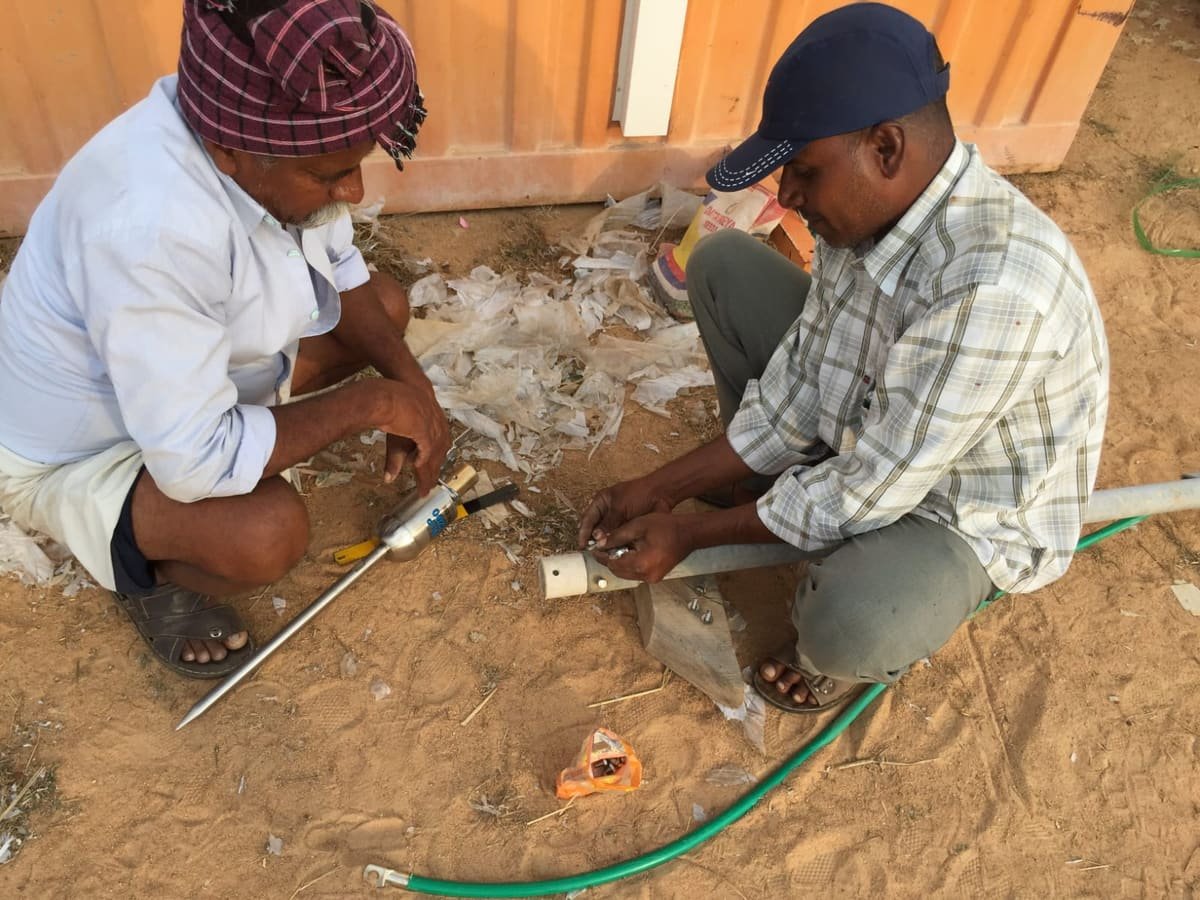
2. Electrode preparation
Electrode assembled with clamps and connection strips.
3. Electrode placement
Electrode lowered and centred in the bore.
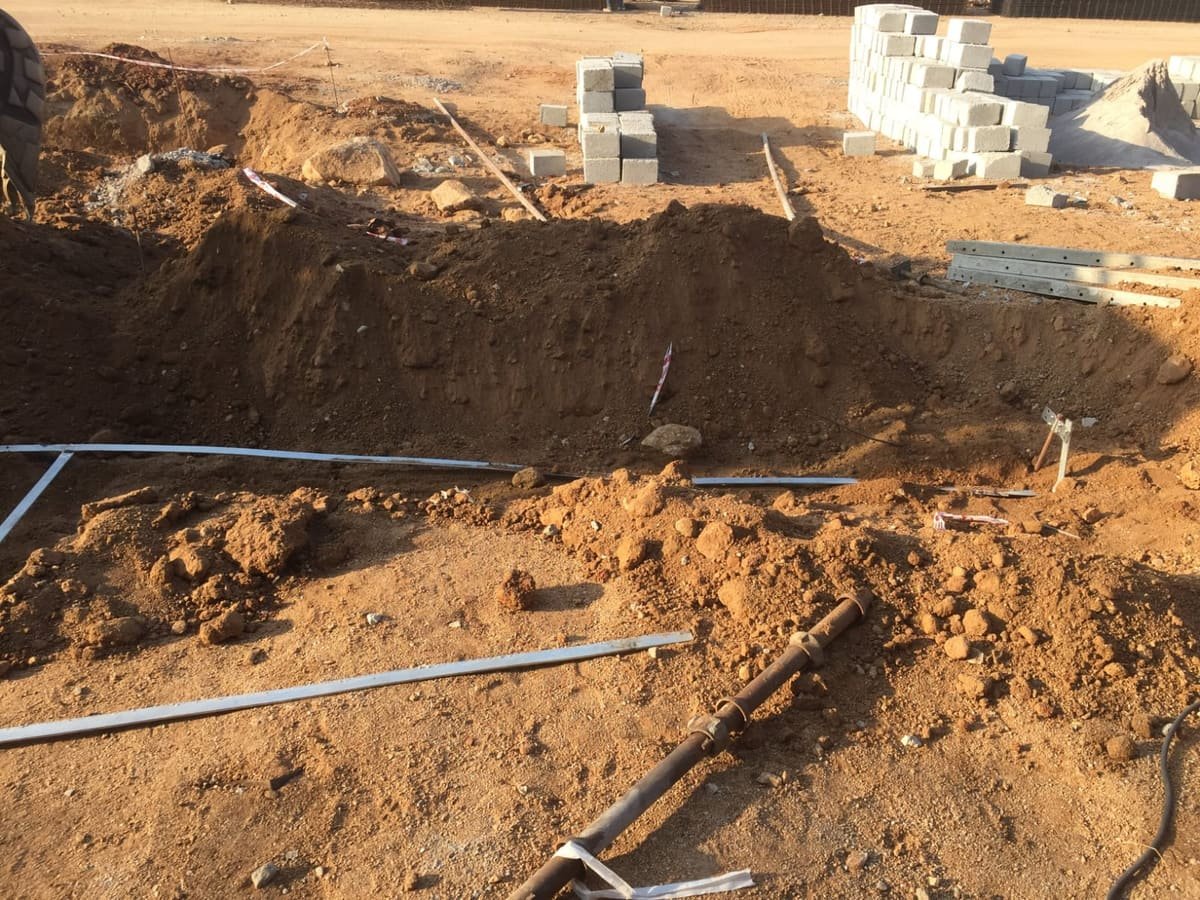
4. Backfill compound
Conductive compound filled around the electrode for low resistance.
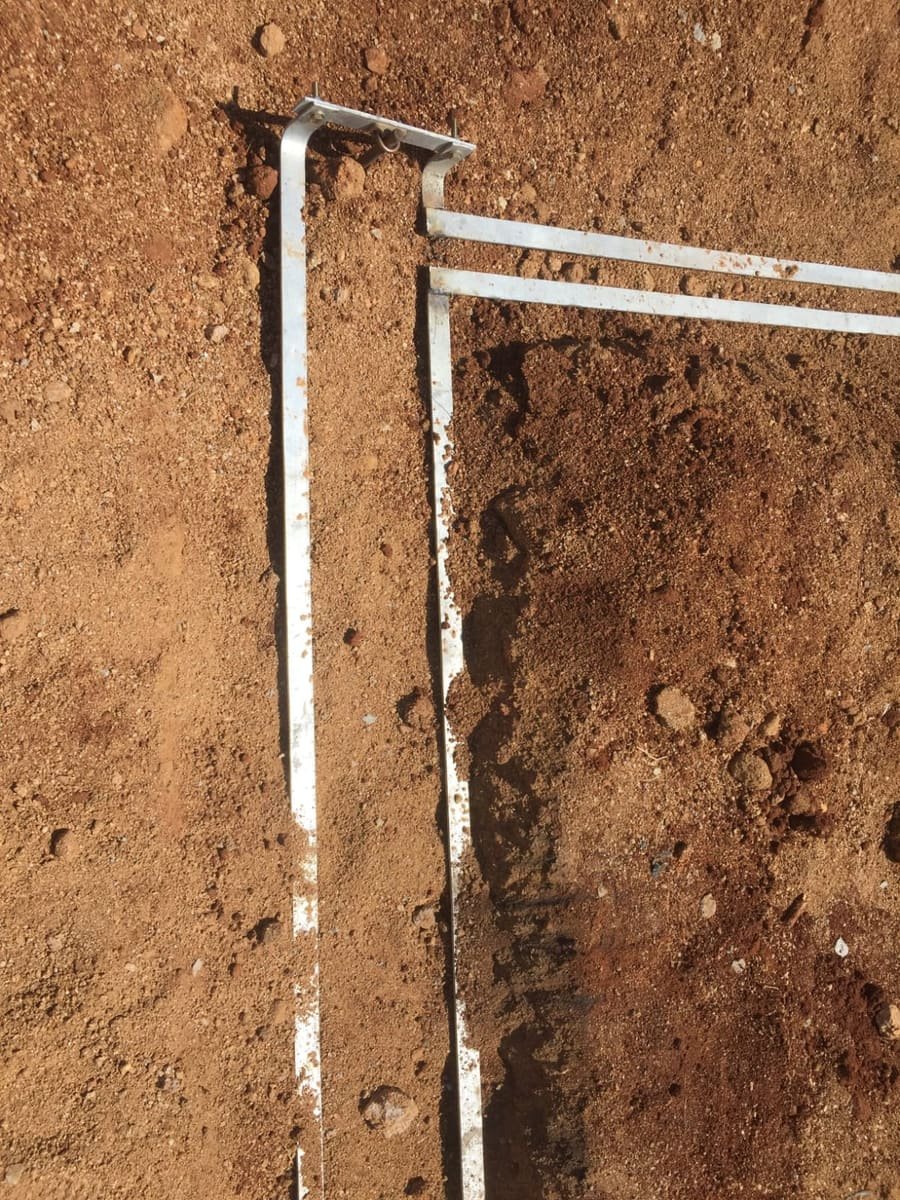
5. Strip interconnection
Earth pits interconnected with GI or copper strips.
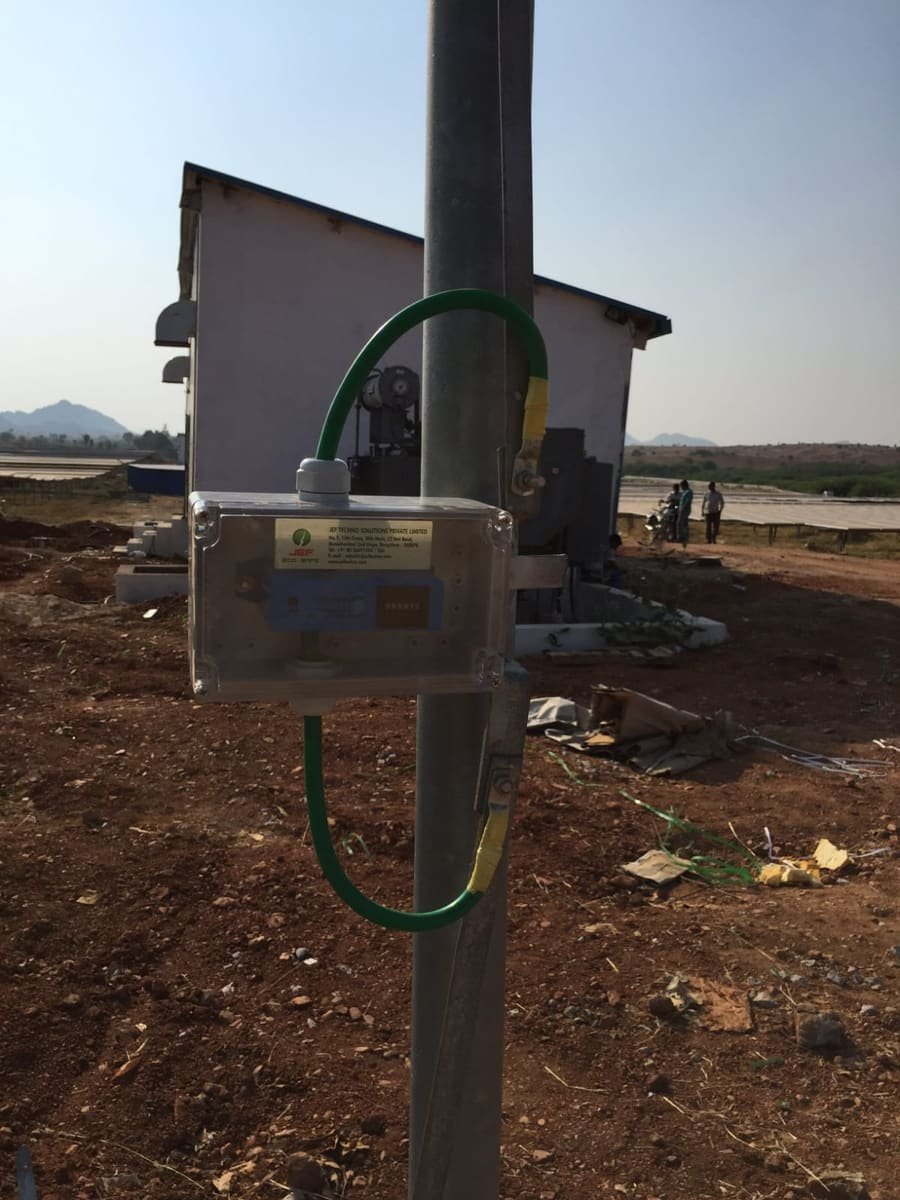
6. Chamber & testing
Inspection chamber fitted and resistance tested and recorded.
Maintenance-Free vs Conventional Earthing
| Parameter | Maintenance-Free (Chemical) | Conventional (Salt & Charcoal) |
|---|---|---|
| Maintenance | No watering or top-up needed | Regular watering & salt-charcoal refilling |
| Resistance stability | Stable across seasons | Rises sharply in dry season |
| Corrosion | Copper-bonded / protected electrode | Salt accelerates corrosion |
| Life span | 15+ years | Typically 2–3 years before deterioration |
| Installation space | Compact bore | Large pit required |
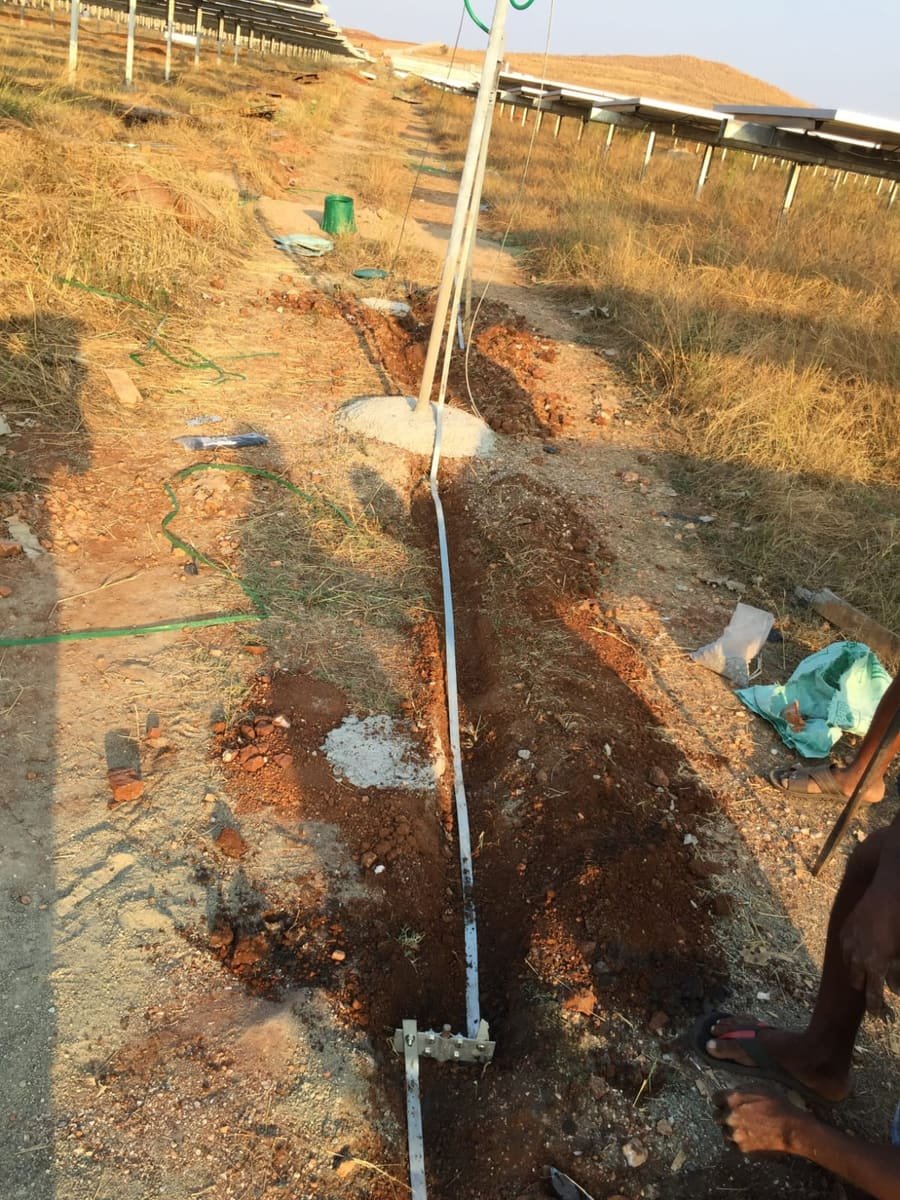
Where We Install Earthing
- Residential homes & apartments
- Factories & warehouses
- Solar power plants
- Substations & transformers
- Railway & Metro stations
- Hospitals & data centres
- Telecom towers
- Commercial complexes
Earthing Questions Answered
Clear answers to the questions our clients ask most often.
What is the difference between chemical earthing and conventional earthing?
What earth resistance value is acceptable?
How many earth pits do I need?
Does maintenance-free earthing need watering?
Upgrade to maintenance-free earthing
Get your existing earth pits tested or install new maintenance-free earthing. Free survey across Bengaluru.